Electricity · Guide
Electricity supplier in Belgium: the guide to choosing well in 2026
Choosing your electricity supplier in Belgium can change your bill by several hundred euros a year. Here is how to choose knowingly, without the jargon.
How the Belgian electricity market works
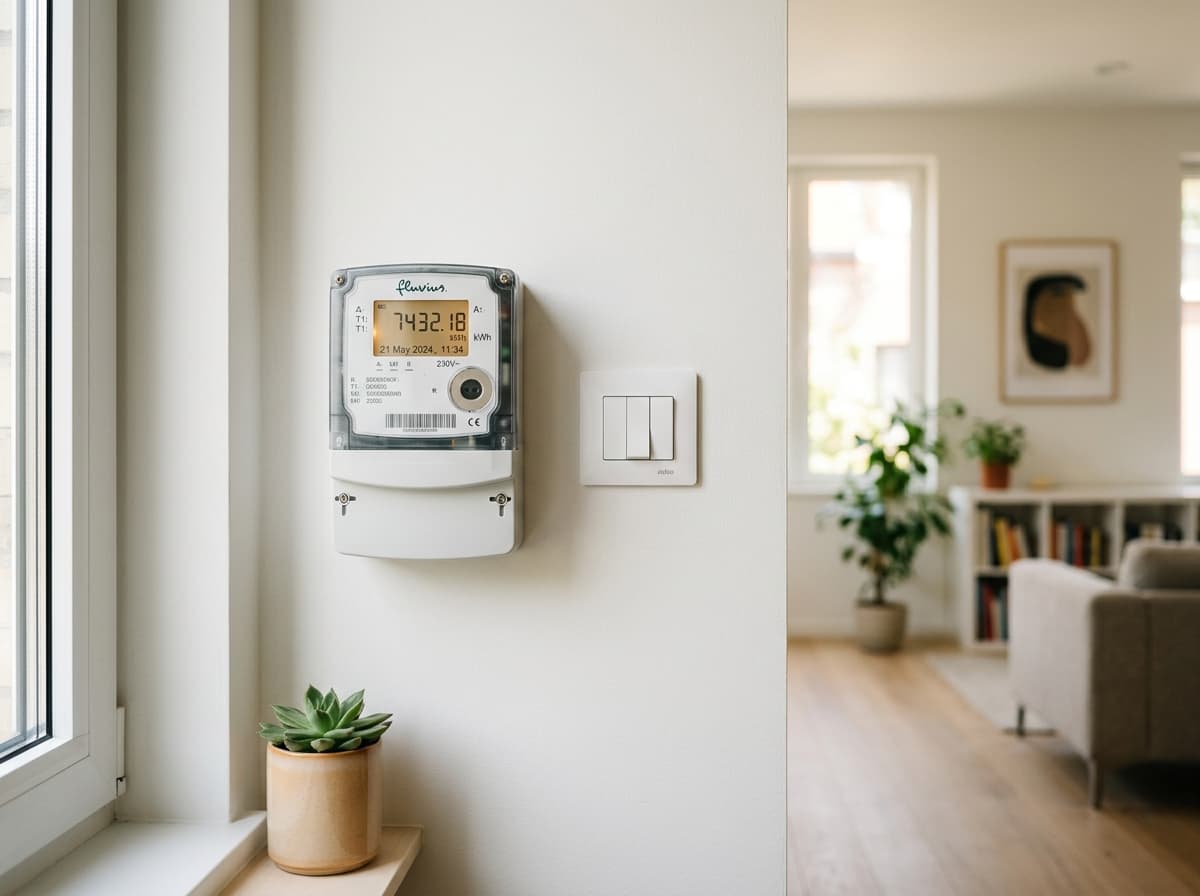
The market has been open to competition since 2007 and is organised into three regions — Brussels, Wallonia and Flanders — each with its regulator (BRUGEL, CWaPE, VREG) and its distribution grid operator (Sibelga, ORES or RESA, Fluvius).
Around fifteen suppliers share the market, led by ENGIE Electrabel (about 38%), then Luminus (about 22%), followed by TotalEnergies, Eneco and Mega. The key point: you freely choose your supplier, but not your grid operator, which depends on your municipality and charges the same distribution costs whatever the supplier.
The four criteria that make the difference
- Price per kWh — the main item, but only comparable at equal consumption.
- Annual fixed fee — from under €30 to nearly €90/year. A high fee can wipe out a low kWh, especially if you use little.
- Contract type — variable follows wholesale prices (often cheaper, but moving); fixed locks the price for 1 to 3 years (security, but a risk premium).
- Energy source — if you want green, require guarantees of origin, ideally Belgian.
The right reflex: compare the total annual cost (price per kWh × your consumption + fixed fee), never the headline price per kWh alone.
Which electricity supplier is cheapest in 2026?
In June 2026, for a typical household of 3,500 kWh/year, the ranking in Wallonia is:
| Supplier | Plan | Annual cost |
|---|---|---|
| Ecofix | Flexy Online (variable) | ~€1,243 |
| Ecopower | Groene Burgerstroom (co-op) | ~€1,252 |
| Luminus | BasicFlex Online (variable) | ~€1,283 |
In Brussels, Brusol has the best rate (about €1,273/year). Citizen co-ops Ecopower (Flanders) and Cociter (Wallonia) offer 100% local green power but require a co-op stake. For the live picture by region, open the electricity comparator or take the “which supplier” test.
Fixed or variable: which to choose?
Variable follows the market and, outside tense periods, stays cheaper over time. Fixed locks your price for 1 to 3 years: it protects against a sudden rise but includes a premium you pay even if prices fall. In 2026, after the spring swings, the prudent rule remains: know your current contract, compare, and do not sign a fixed deal in a panic.
Switching supplier
Switching is free, with no outage, and the new supplier handles everything, including cancelling with the old one. You only need your EAN code (on your bill) and a meter reading. The full process is in our guide: switching energy supplier in Belgium.
Frequently asked questions
Which is the cheapest electricity supplier in Belgium?
In June 2026, Ecofix has the lowest rate, around €1,243/year for 3,500 kWh. The ranking changes monthly and depends on your region: compare before subscribing.
Can I pick any supplier, anywhere in Belgium?
You freely choose your supplier, but some plans are regional. The grid operator depends on your municipality (Sibelga in Brussels, ORES or RESA in Wallonia, Fluvius in Flanders) and is not a choice.
Fixed or variable rate for electricity?
Variable is usually cheaper but follows the market; fixed locks your price for 1 to 3 years for a small premium. In unstable times fixed reassures; otherwise variable often wins.